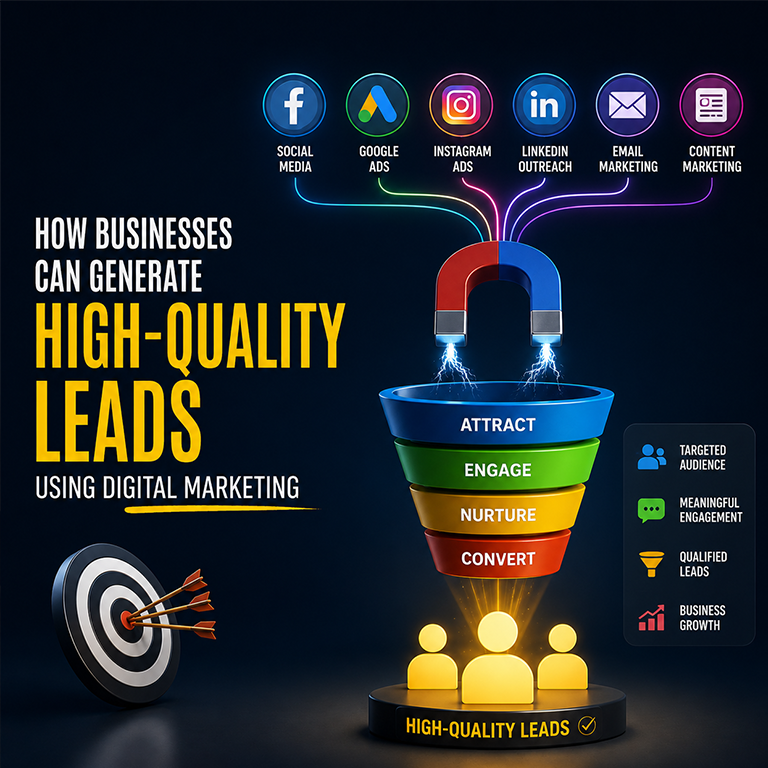
Marketing has evolved significantly over the years, transforming from conventional advertising methods to highly targeted online strategies. Today, businesses must understand the difference between traditional marketing and digital marketing to choose the right approach for reaching their audience, increasing brand awareness, and driving sales.
While traditional marketing still holds value in specific industries and demographics, digital marketing has revolutionized how businesses communicate with customers by offering measurable, cost-effective, and highly personalized campaigns.
This comprehensive guide explores the key differences, advantages, disadvantages, and practical applications of both marketing methods to help businesses make informed decisions.
What Is Traditional Marketing?
Traditional marketing refers to promotional activities conducted through offline channels that have been used for decades. These methods rely on physical media and face-to-face communication to reach potential customers.
Common traditional marketing channels include:
- Newspapers
- Magazines
- Television commercials
- Radio advertisements
- Billboards
- Posters and banners
- Flyers and brochures
- Direct mail campaigns
- Trade shows and exhibitions
- Telemarketing
Traditional marketing primarily targets a broad audience and is commonly used by businesses seeking local or regional brand recognition.
What Is Digital Marketing?
Digital marketing is the promotion of products and services through internet-based platforms and digital technologies. It enables businesses to reach highly targeted audiences across multiple online channels while measuring campaign performance in real time.
Popular digital marketing channels include:
- Search Engine Optimization (SEO)
- Google Ads (PPC)
- Social Media Marketing
- Email Marketing
- Content Marketing
- Affiliate Marketing
- Influencer Marketing
- YouTube Marketing
- Display Advertising
- Mobile Marketing
Digital marketing allows businesses to interact directly with customers and optimize campaigns based on live data.
Traditional Marketing vs Digital Marketing: Quick Comparison
| Feature | Traditional Marketing | Digital Marketing |
| Audience Reach | Local or Regional | Global |
| Cost | High | Budget-Friendly |
| Targeting | Broad Audience | Highly Specific |
| Customer Interaction | One-Way Communication | Two-Way Communication |
| Performance Tracking | Difficult | Real-Time Analytics |
| Campaign Optimization | Limited | Continuous Improvement |
| ROI Measurement | Challenging | Accurate and Measurable |
| Speed | Slow | Instant |
| Flexibility | Less Flexible | Highly Flexible |
| Conversion Tracking | Nearly Impossible | Easy |
Key Differences Between Traditional Marketing and Digital Marketing
1. Marketing Channels
Traditional marketing depends on offline advertising methods such as television, newspapers, radio, and billboards.
Digital marketing utilizes online platforms including search engines, social media networks, websites, mobile applications, and email.
The digital approach provides multiple opportunities to connect with customers wherever they spend their time online.
2. Audience Targeting
Traditional marketing generally broadcasts the same message to everyone regardless of age, interests, or purchasing behavior.
Digital marketing enables businesses to target audiences based on:
- Location
- Age
- Gender
- Interests
- Search History
- Buying Behavior
- Income Level
- Device Usage
This precision significantly improves campaign effectiveness.
3. Cost Effectiveness
Traditional advertising often requires substantial investment.
Expenses include:
- Printing
- Television production
- Radio slots
- Billboard rentals
- Newspaper placements
Digital marketing provides affordable alternatives suitable for startups, small businesses, and enterprises alike.
Businesses can begin campaigns with relatively small budgets while scaling as results improve.
4. Customer Engagement
Traditional marketing offers limited interaction.
Customers usually receive advertisements without immediate opportunities to respond.
Digital marketing encourages engagement through:
- Comments
- Likes
- Shares
- Messages
- Reviews
- Live Chats
- Online Communities
This interaction strengthens customer relationships and brand loyalty.
5. Performance Measurement
Traditional campaigns are difficult to evaluate accurately.
Businesses often estimate performance based on circulation numbers or television ratings.
Digital marketing provides measurable metrics including:
- Website visitors
- Click-through rates
- Conversion rates
- Bounce rates
- Engagement rates
- Return on investment (ROI)
- Cost per click (CPC)
- Customer acquisition cost (CAC)
These insights enable continuous optimization.
6. Campaign Flexibility
Once traditional advertisements are printed or broadcast, modifying them becomes expensive and time-consuming.
Digital campaigns can be updated instantly by changing:
- Headlines
- Images
- Keywords
- Budgets
- Landing pages
- Target audience
- Ad copy
This flexibility helps businesses respond quickly to market trends.
7. Geographic Reach
Traditional marketing often focuses on local or regional audiences.
Digital marketing removes geographical barriers, allowing businesses to serve customers worldwide.
An online business can attract visitors from multiple countries using effective digital strategies.
8. Speed of Results
Traditional campaigns usually require weeks or months for planning, production, and distribution.
Digital campaigns can launch within hours and begin generating traffic almost immediately.
Real-time monitoring allows marketers to improve results continuously.
Traditional Marketing Examples
Traditional marketing includes campaigns such as:
- Television product commercials
- Newspaper advertisements
- Radio sponsorships
- Outdoor billboards
- Magazine promotions
- Direct mail postcards
- Event sponsorships
- Trade exhibitions
- Printed catalogs
These methods remain valuable for mass-market visibility and local promotions.
Digital Marketing Examples
Digital marketing strategies include:
- SEO-optimized websites
- Google Search Ads
- Facebook and Instagram campaigns
- LinkedIn marketing
- Email newsletters
- YouTube video marketing
- Content blogging
- Influencer collaborations
- Mobile app promotions
- Remarketing campaigns
These approaches provide measurable outcomes and stronger audience engagement.
When Should Businesses Choose Traditional Marketing?
Traditional marketing is ideal when businesses:
- Promote large public events
- Build offline brand awareness
- Reach audiences with limited internet access
- Advertise luxury products through premium print publications
In these scenarios, traditional media can complement broader marketing efforts.
When Should Businesses Choose Digital Marketing?
Digital marketing is the better option when businesses want to:
- Generate qualified leads
- Increase online sales
- Improve website traffic
- Build social media communities
- Reach younger audiences
- Track campaign performance
- Optimize advertising budgets
- Expand into national or international markets
Its flexibility and data-driven approach make it suitable for businesses of all sizes.
The difference between traditional marketing and digital marketing lies in their reach, targeting capabilities, cost, flexibility, customer engagement, and performance measurement. Traditional marketing remains valuable for local branding and mass awareness, while digital marketing offers unparalleled precision, affordability, scalability, and measurable results.
Rather than viewing them as competing approaches, businesses should evaluate their goals, target audience, and budget to determine the right mix of both strategies. An integrated marketing plan that combines the credibility of traditional channels with the efficiency of digital marketing can maximize brand exposure, generate quality leads, and drive sustainable business growth.
Frequently Asked Questions (FAQs
1. What is traditional marketing?
Traditional marketing promotes businesses through offline channels like TV, newspapers, radio, and billboards.
2. What is digital marketing?
Digital marketing uses online platforms such as search engines, social media, websites, and email to reach customers.
3. Which marketing method is more affordable?
Digital marketing is generally more affordable and offers better targeting than traditional marketing.
4. Can traditional and digital marketing work together?
Yes, combining both helps businesses increase brand awareness and reach a wider audience.
5. Which is better for small businesses?
Digital marketing is usually the better option because it delivers measurable results and fits smaller budgets.
Also published on Medium.